Controller: CAMPUS INSTITUT DE TERAPIA NEURAL SL
Purpose: To manage your request and send you the course dossier and, if you authorise it, informational and commercial communications about related training courses and activities.
Legal basis: Your consent.
Recipients: Data will not be transferred to third parties unless legally required.
Rights: You may access, rectify and delete your data, as well as exercise other rights, by sending a request to consulta@institutdeterapianeural.cat.
More information: See the Privacy Policy.
Workshop
TECHNICAL APPLICATIONS IN NEURAL THERAPY
Basic and advanced techniques
Friday 18th, Saturday 19th and Sunday 20th September 2026

Details
- +20 modules with practical and theoretical content
- Available languages: English
-
Friday 18, Saturday 19 and Sunday 20 September 2026:
3 days, 22 h of practical training in Sabadell - Slides and supporting material in PDF
- Access to the platform for 1 year
- Certificate from the Campus Institut de Teràpia Neural
Requirements:
1. Be a professional in medicine, dentistry, nursing, veterinary medicine or podiatry.
2. Prior theoretical and technical training in Neural Therapy.
If you have not completed previous training, please contact us at campus@institutdeterapianeural.cat
Price: 1550€
What will you gain from this training?
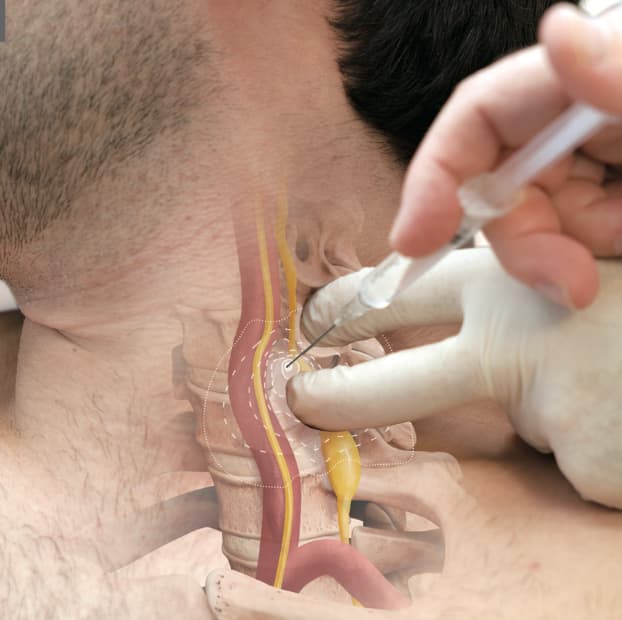
Access to deep regions of the autonomic nervous system
You will learn advanced techniques to influence key structures such as the cervical ganglia, the lumbar sympathetic trunk and the deep plexuses, expanding your ability to intervene in chronic and complex processes.
Anatomical precision in highly sensitive areas
You will develop the skills to perform safe and effective injections in delicate areas such as the orbital cavity, the pterygopalatine fossa and the temporomandibular region, integrating functional anatomy and a clinical approach.
Direct influence on neurovegetative nuclei
With specific techniques, you will be able to regulate bodily functions by influencing ganglia such as the sphenopalatine, otic, ciliary or celiac ganglia, impacting the respiratory, digestive, hormonal and emotional systems.
Tools for complex and persistent cases
You will be able to address difficult-to-resolve clinical situations thanks to access to areas such as the jugular fossa (vagus nerve), the pharyngeal cavum (pituitary gland) and the hypogastric plexus, which are fundamental to neuroimmune balance.
Greater integration between clinical perception and therapeutic action
You will increase your clinical sensitivity to be guided by the body’s signals, refining the relationship between the patient’s history, their interference fields and precise therapeutic intervention.
Professional development towards an expert level
This training positions you as an advanced neural therapist, capable of working safely with deep structures. It sets you apart as a reference in highly complex neuroregulatory interventions.
Programm
Part 1 – Clinical Application. Most Common Injections
1. NT Injection Techniques
2. Injections in Reflex Zones
3. NT Techniques in the Head
4. NT Techniques in the Peripheral Branches of the Trigeminal Nerve
5. NT Techniques in the Oral Cavity
6. NT Techniques in the Neck
7. NT Techniques in the Trunk Wall
8. Fascial Release Technique in NT
9. NT Techniques in the Spine
10. NT Techniques in the Scapular Girdle
11. NT Techniques in the Upper Limb
12. NT Techniques in the Pelvic Girdle
13. NT Techniques in the Lower Limb
14. Life Stories in NT
Part 2 – Ganglia and Autonomic Plexus Techniques
1. NT Techniques in the Cervical Sympathetic Trunk
2. NT Techniques in the Pterygopalatine Fossa
3. NT Techniques in the Temporomandibular Area
4. NT Techniques in the Pelvic Plexus
5. NT Techniques in the Jugular Foramen and Vagus Nerve Area
6. NT Techniques in the Orbital Cavity
7. NT Techniques in the Roof of the Nasopharyngeal Cavity
8. NT Techniques in the Lumbar and Abdominal Sympathetic Chain
9. Auto-haemotherapy with NT
10. Life Stories in NT
Teachers
David
Vinyes
Institut de Teràpia Neural i Medicina Reguladora
Medical Director
Master’s in Neural Therapy (Universitat de Barcelona)
Director and Lecturer
Neural Therapy Research
Foundation
President
Teresa
García
Institut de Teràpia Neural i Medicina Reguladora
Medical Coordinator
Master’s in Neural Therapy (Universitat de Barcelona)
Lecturer
Neural Therapy Research
Foundation
Treasurer
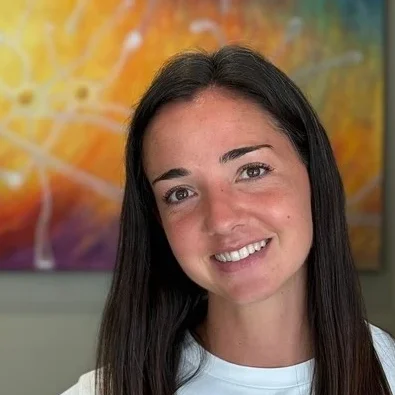
Lucía
de la Casa
Institut de Teràpia Neural i Medicina Reguladora
Associate Physician
Master’s in Neural Therapy (Universitat de Barcelona)
Lecturer
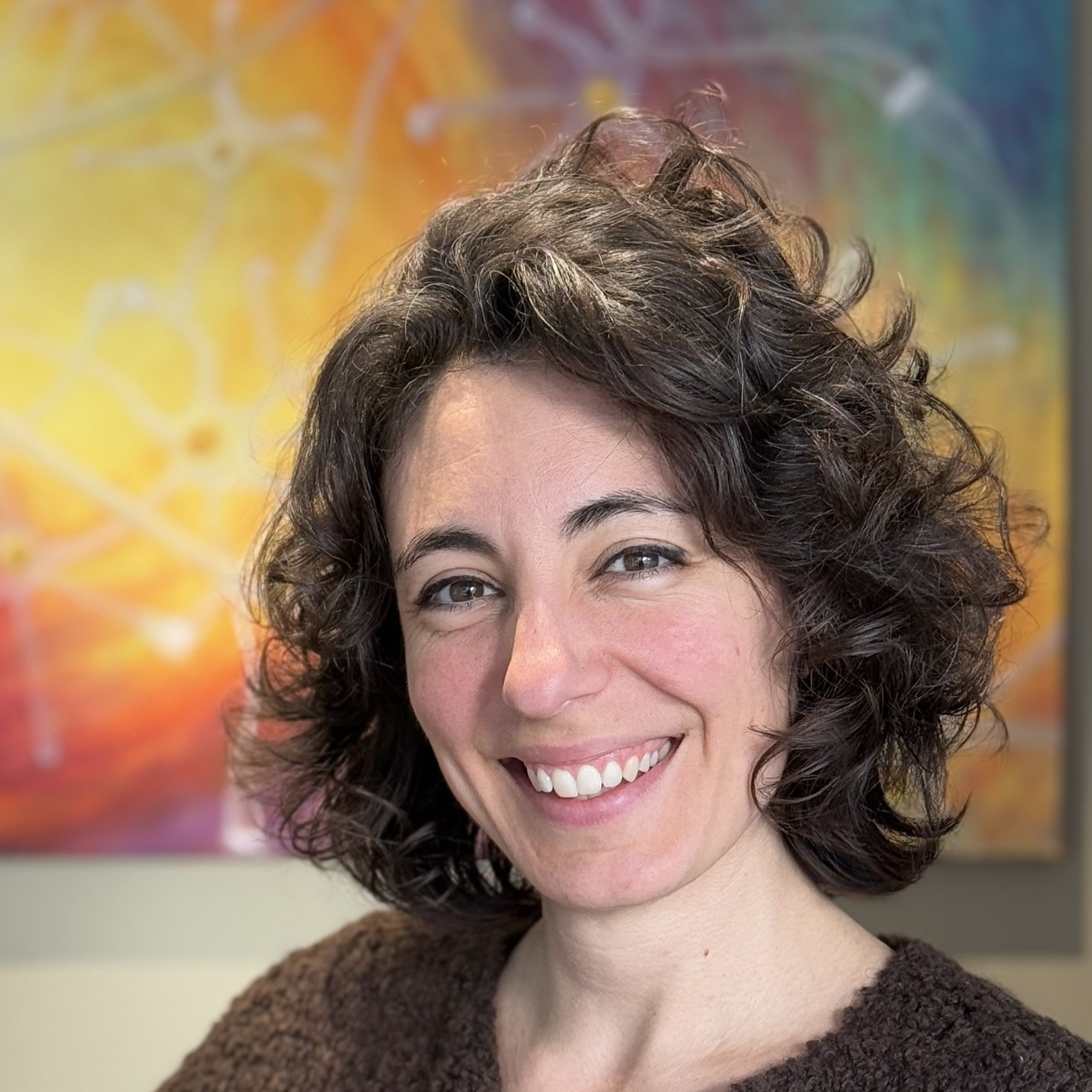
Núria
Collelldemont
Institut de Teràpia Neural i Medicina Reguladora
Associate Physician
Master’s in Neural Therapy (Universitat de Barcelona)
Lecturer
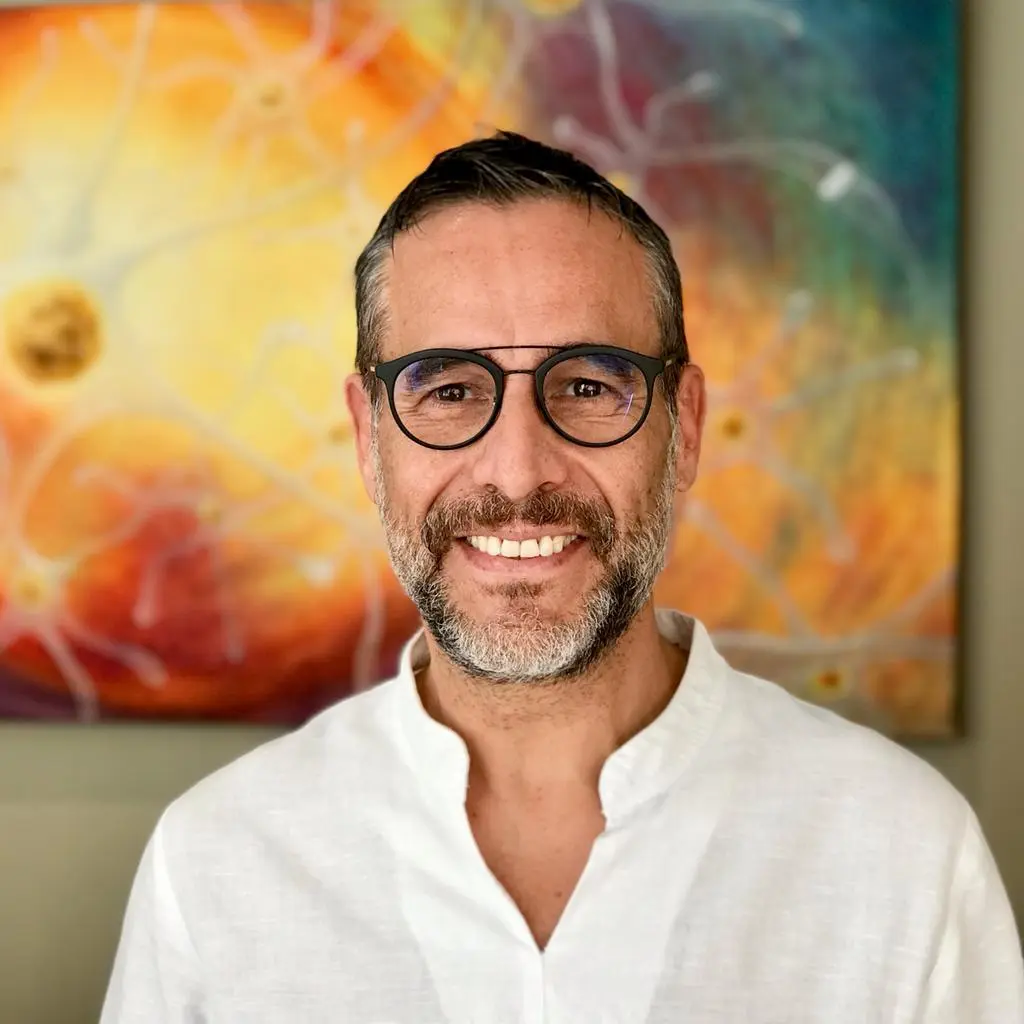
Rafa
Soldado
Institut de Teràpia Neural i Medicina Reguladora
Associate Nurse
Master’s in Neural Therapy (Universitat de Barcelona)
Lecturer
Who is it aimed at?
Doctors
Dentists
Nurses
Veterinarians
Podiatrists
Workshop Details
Dates
Friday 18/09/26
Saturday 19/09/26
Sunday 20/09/26
Time
Friday 9:00 AM – 6:00 PM
Saturday 9:00 AM – 6:00 PM
Sunday 9:00 AM – 1:30 PM
Duration
3 days
22h of practical training
Location
Sabadell (Barcelona)
Frequently Asked Questions
1. What is Neural Therapy?
Neural Therapy (NT) is a way of treating the person through the integrating and regulating function of the nervous system (NS), especially the vegetative or autonomic nervous system.
The body and mind are inseparable in human beings, and the NS is one of the pathways through which emotions are expressed in the body. All organs and tissues in the body have nerve fibres that allow their functions to be regulated and, at the same time, all nerve fibres are connected to each other, forming a network. This nervous network that interrelates the different areas of the body is plastic; it changes and adapts to the stimuli and needs of each moment.
Any phenomenon that leaves an irritation in a nerve fibre can disturb its regulating function and, as a consequence, the tissues within its area of influence may be altered. An irritation in a nerve fibre also means an irritation in the network of which it forms part, so the alteration affects the entire network and its manifestations may be reflected and felt in other areas of the body, especially in those where there is already a genetic predisposition or previous conditions.
2. How does it work?
NT only aims to neutralise these irritations in the nervous tissue so that both the tissue and the network to which it belongs can regain balance and the organism can recover its self-healing mechanisms.
In our relationship with the patient, their life story is essential, as it suggests which experiences may have disturbed their NS from specific points. Scars from wounds or surgical procedures, infections suffered, dental conditions and emotional shocks are examples of lived experiences that may leave irritation in their nervous network.
The local anaesthetic (LA), usually procaine, is the only substance used in this therapy, although, in our case, its purpose is not anaesthetic, but diagnostic and therapeutic. Research and experience have shown that the application of LA at a low concentration may neutralise the irritated focus of the nervous tissue, repolarising its electrical potential and stabilising its membrane.
Thus, the injection of LA into the irritated points of the NS may allow its function to recover and, in this way, facilitate the balance of the person in their physical, mental and emotional dimensions.
NT must be applied by doctors, nurses or dentists, each within their own professional field. This treatment system is complementary to your usual medical treatment.
3. What are the requirements to access the Online Neural Therapy course?
The requirements to access online Neural Therapy courses may vary depending on the academy or institution offering them. In general, previous training in medicine, dentistry, veterinary medicine, nursing or other health-related fields is required, as well as internet access and a computer or mobile device to access the online content.
If you have not completed the previous training, please contact us at campus@institutdeterapianeural.cat.
4. How do I access the course?
You can click on the reserve your spot button, fill in your details and complete the payment. Once this process is completed, you will have instant access to the course. You will also receive an email with a link to the training.
5. How can I pay for the courses?
By credit or debit card, PayPal or bank transfer. All through our secure payment gateway.
6. How long do I have access to the course content?
You can complete the training in less time, but you will have access for one year from the date of purchase.
7. How can I access the course materials?
All course materials, including videos, readings and exercises, will be available in the campus virtual classroom. You can access them after reserving your spot or, if you have already done so, from the “My Account” section in the main menu.
8. Can I obtain a certificate of completion for the course?
Yes, students who have successfully completed the course and meet the requirements established by the campus will receive a certificate.